“My pain may be the reason for somebody’s laugh but my laugh must never be the reason for somebody’s pain.”
charlie chaplin
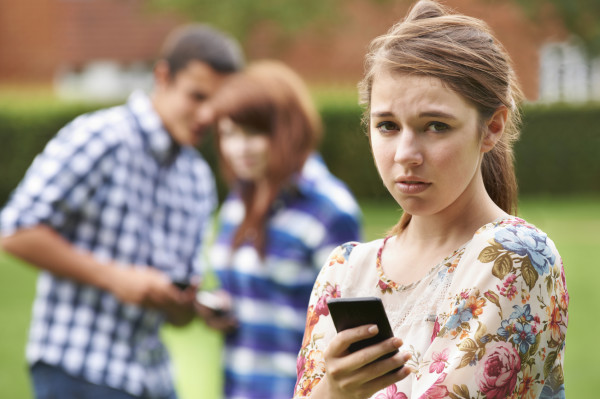
Cyberbullying is the use of digital devices to send threatening or embarrassing messages to or about a person. It acts as an ultimate control tactic designed to create fear in the victims’ minds and make them do things that they feel threatened or uncomfortable with. It can occur through short message service (SMS), apps, text, or online platforms such as social media, group forums, and even in gaming. It includes sending, sharing, and posting negative content about someone else. Also, sharing personal information about a person that causes embarrassment or humiliation includes in cyberbullying.
Nowadays, cyberbullying is rampant and getting worse. It receives much attention from media over the past few years, as well as from concerned adults and teenagers. It becomes a serious problem especially for young people who have too much engagement in online platforms. According to the Youth Risk Behavior Surveillance System (Centers for Disease Control and Prevention), an estimated 14.9% of high school students were electronically bullied in the 12 months before the survey. Cyberbullying is something that should not be taken for granted.
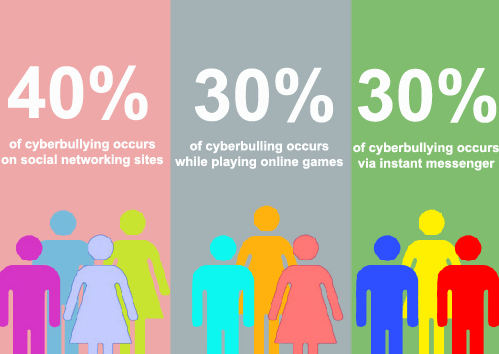

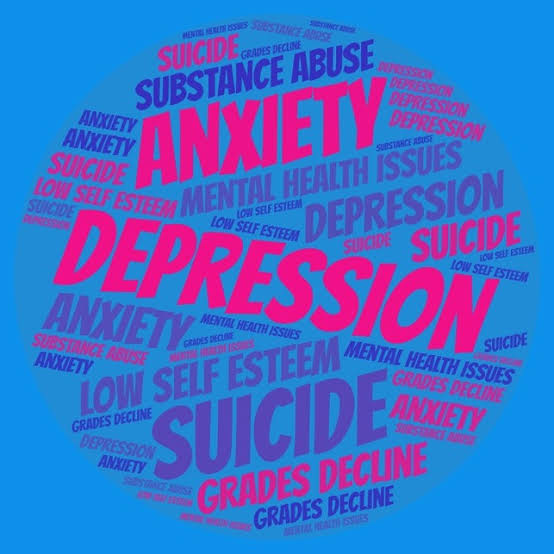

Cyberbullying can be worse than other forms of bullying because it can be anonymous and bullying can occur anytime and anywhere. It has a wide coverage of audience that can cause it to spread quickly. Furthermore, it takes so many different forms that make it difficult to control. Victims of it often feel hopeless that results in much worse effects than traditional bullying. It has been linked to short- and long-term issues for the victims and bullies such as depression, anxiety, poor attendance and achievement at school, and feeling of fear and mistrust of others.
Fortunately, the government paid attention and implemented laws against it. They also established the subject Media and Information Literacy (MIL) to educate people on how to use appropriately and effectively media and other information providers. This subject can help put together disciplines that were once separate and distinct that will eventually help decrease the cases of cyberbullying. It also enables individuals to develop critical thinking to sort things or analyze their actions. Also, other essential learning skills can be learned in engaging with this subject that allows a person to be a responsible citizen.
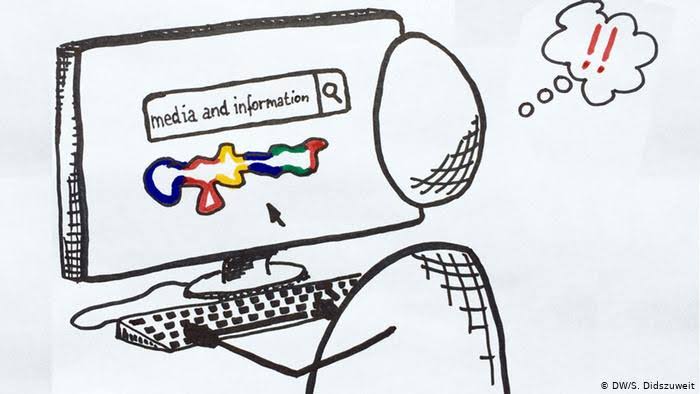

Digital devices or in general, technologies, are an integral part of the social and professional lives of many people. They offer positive benefits such as making our communication to another person easier and negative benefits such as cyberbullying. To enjoy its positive benefits, it is necessary to prevent and stop cyberbullying. Let us all become an individual who can use the innovation we have appropriately and effectively. Always remember and ponder the “Think before you click!” social media awareness campaign.
“We focus so much on our differences, and that is creating, I think, a lot of chaos and negativity and bullying in the world. And I think if everybody focused on what we all have in common – which is – we all want to be happy.”
Ellen DeGeneres
References:
- https://www.pacerteensagainstbullying.org/advocacy-for-others/cyber-bullying/
- http://www.bullyingstatistics.org/content/stop-cyber-bullying.html
- https://www.stopbullying.gov/cyberbullying/what-is-it
- https://www.google.com/url?sa=i&url=https%3A%2F%2Ftheyorkshiredad.com%2Fwhy-are-teenagers-committing-suicide-over-on-line-bullying%2Fcyberbullyingstats&psig=AOvVaw1WUEeOL-ITB5c1cl344Ipu&ust=1577191679879000&source=images&cd=vfe&ved=0CAIQjRxqFwoTCNDktdGwzeYCFQAAAAAdAAAAABAS
- https://www.google.com/url?sa=i&url=https%3A%2F%2Fgiphy.com%2Fexplore%2Fcyber-bully&psig=AOvVaw1OQcNi4mFJHlqJ560TFv96&ust=1577191858607000&source=images&cd=vfe&ved=0CAIQjRxqFwoTCMDHlJyxzeYCFQAAAAAdAAAAABAD
- https://www.google.com/url?sa=i&url=https%3A%2F%2Fen.wikipedia.org%2Fwiki%2FCyberbullying&psig=AOvVaw3sbQjG-8hP6NvO55fNBEaJ&ust=1577191908837000&source=images&cd=vfe&ved=0CAIQjRxqFwoTCNiKpbixzeYCFQAAAAAdAAAAABAD
- https://www.google.com/url?sa=i&url=http%3A%2F%2Fwww.cyberbullyingdontbemeanbehindthescreen.com%2Feffects-of-cyber-bullying.html&psig=AOvVaw26ttCGZ7L9L03MQlR4VE5E&ust=1577191953856000&source=images&cd=vfe&ved=0CAIQjRxqFwoTCNDSxMuxzeYCFQAAAAAdAAAAABAD
- https://www.google.com/url?sa=i&url=https%3A%2F%2Fwww.dw.com%2Fen%2Fmedia-and-information-literacy%2Fa-18406566&psig=AOvVaw3dwtc6G9TnSiUdmW8leHbJ&ust=1577192004192000&source=images&cd=vfe&ved=0CAIQjRxqFwoTCNixlOOxzeYCFQAAAAAdAAAAABAD
- https://www.google.com/url?sa=i&url=https%3A%2F%2Fgiphy.com%2Fexplore%2Fliteracy&psig=AOvVaw3mSl9SVNrDcyzfRc1jRPKh&ust=1577192044410000&source=images&cd=vfe&ved=0CAIQjRxqFwoTCOCu6fWxzeYCFQAAAAAdAAAAABAD
- https://www.google.com/url?sa=i&url=https%3A%2F%2Fwww.eschoolnews.com%2F2018%2F10%2F01%2Flaying-down-the-law-on-bullying-and-cyberbullying%2F&psig=AOvVaw2wnNg0IPk7r-LBLkr86V_Z&ust=1577192104566000&source=images&cd=vfe&ved=0CAIQjRxqFwoTCKjpu5eyzeYCFQAAAAAdAAAAABAD
- https://www.google.com/url?sa=i&url=https%3A%2F%2Fellengthwise.blogspot.com%2F2018%2F05%2Fwhat-is-bullying-why-is-it-serious.html&psig=AOvVaw1_gprokJ-QxX4tRCYVb-9s&ust=1577192160879000&source=images&cd=vfe&ved=0CAIQjRxqFwoTCOD-xLCyzeYCFQAAAAAdAAAAABAD
 Analyn's Blog